Tech-Heavy Data Centers Could Cause Another Auto Supply Shortage: Report
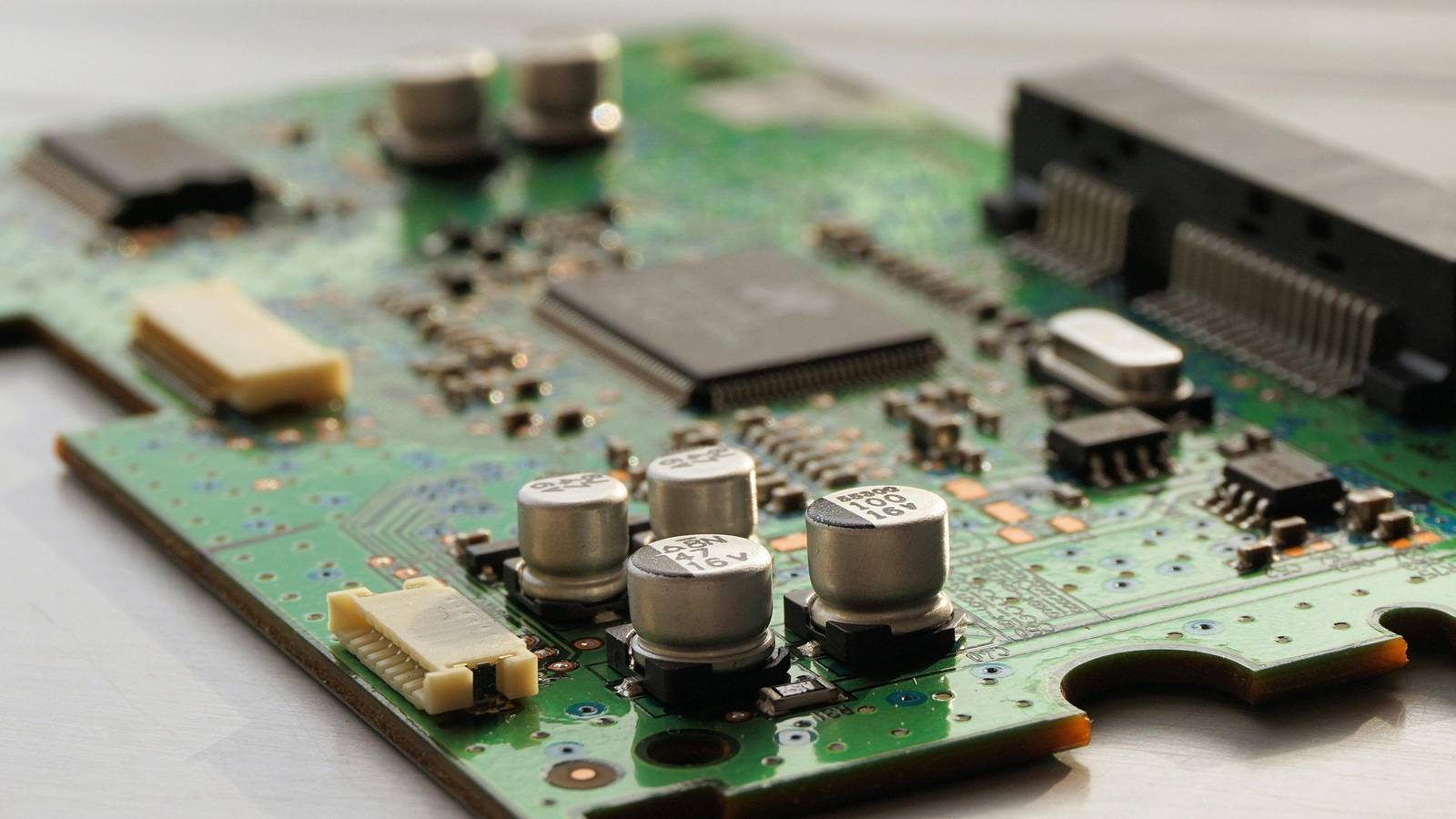
We can’t remember the last time that there wasn’t some sort of manufacturing crisis affecting the new vehicle market, either limiting production or making it more expensive. That makes it more than a little ironic that the new problem is a memory issue. The price of RAM (Random Access Memory, not a certain automaker building more Hemi V8 engines) is skyrocketing thanks to AI growth and the data centers needed for it. That’s about to put a pinch on automakers.
Sudden Massive Demand Leaves Automakers On Sidelines

Building these data centers to create and run artificial intelligence models is big business right now, much to the dismay of communities that don’t want them. Data centers are crammed full of the most high-tech processing and dynamic RAM chips available. Sometimes, that means crammed full of boxes that aren’t even used.
That has driven a 63% jump in the cost of common memory modules in the last quarter of 2025, The Register reports. That big price jump is about to start hitting new vehicles too. Analysts from S&P Global and UBS say that they expect chip-makers to start going after that high-margin customer instead of automakers and their suppliers.

When tech companies are throwing hundreds of billions of dollars at data centers, buying computing power they won’t even be able to install for years, it’s tough for car companies to compete. They need to sell cars and make a profit, after all, rather than appeal to investors hoping for a jackpot.
One analyst, Matthew Beecham at S&P Global, believes that automotive-grade DRAM prices could skyrocket. He believes increases of 70% to 100% are possible, which could then cause “panic buying and production disruptions across the industry.”

Automotive Trends To Look Forward To In 2025
The industry is evolving at a rapid pace; here are a few things to keep an eye out for.
Tech companies aren’t the only ones integrating AI, either. Automakers are in the middle of working to pack AI systems into vehicles, along with highly-automated self-driving systems that aren’t AI but do use it. And they do require a great deal of in-car processing power.
Result Could Be Shortages, Price Hikes, Or Both

Automakers could end up at the back of the line. The price hikes could turn into a shortage like those of the COVID-19 pandemic. Nearly every automaker was heavily affected then, driving up vehicle prices, slashing production, and creating a long period where vehicles might show up without certain features because suppliers couldn’t get the chips they needed.
The note from UBS flagged that vehicles currently need between $25 to $150 in DRAM per car. Doubling that price might not seem like a lot, but more money might still not be enough to secure supply. If automakers are fighting with tech companies, the automakers could lose.
UBS expects that this could begin to be a problem starting in the second quarter of 2026. It could worsen over the coming years, until supply chains are able to catch back up with demand.

Top Automotive Trends You’ll See More Of In 2025
These are the top automotive trends to look out for in 2025, from AI to lighting, dashcams and cutting-edge interior comfort.
Car companies that are tech-heavy are likely to be more heavily affected. UBS believes that there is more risk for companies like Tesla and Rivian versus those with larger financial footprints and a longer history of operation, like Ford and GM.
Sources: The Register, UBS, Car Expert
link