Moonware to Test Ground Traffic Control Technology with Japan Airlines and JAL Ground Service at Tokyo International Airport
Tuesday, July 8, 2025

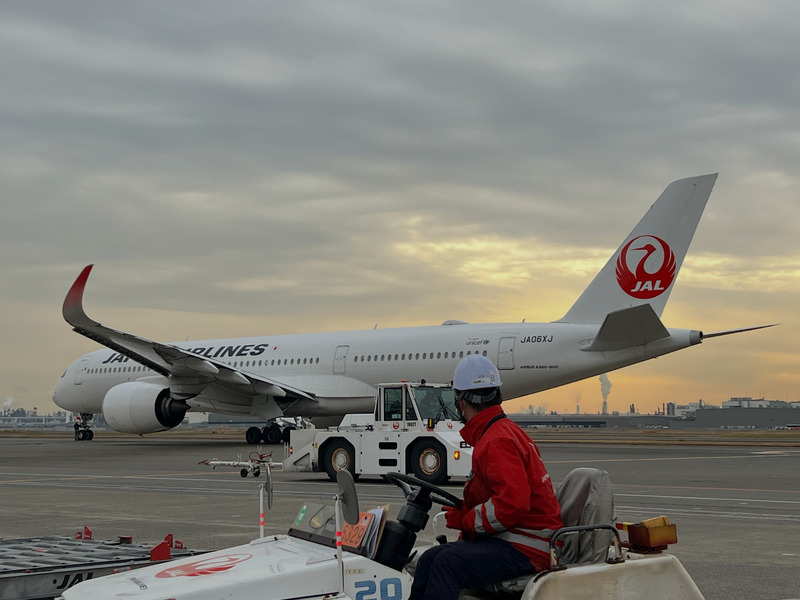
Moonware, a prominent leader in automated airfield operations, has announced the upcoming trial of its innovative Ground Traffic Control platform, HALO, at Tokyo International Airport (HND). The trial will take place in collaboration with Japan Airlines (JAL) and JAL Ground Service (JGS), marking a significant step in enhancing ground operations at one of the busiest airports in the world.
This partnership underscores both Moonware’s cutting-edge technology and JAL’s commitment to modernizing its ground operations to meet the growing demands of the aviation industry. The HALO platform will be tested at JAL’s local ground handling control station, as part of a broader initiative to digitize and streamline the airline’s ground handling workflows.
Advancing Efficiency and Coordination at HND
The main goal of the HALO system is to optimize ground handling operations, which are crucial for minimizing turnaround times and improving overall efficiency. The technology will focus primarily on enhancing below-wing coordination, resource management, and real-time situational awareness. Given Tokyo International Airport’s high traffic volumes, the need for efficient coordination among ground crews, equipment, and aircraft is essential to avoid delays and ensure smooth operations.
HALO consolidates a wide range of operational data from across the airside, including the movements of equipment, the status of ground crews, and schedule changes. This data is centralized into one system that enables dynamic dispatching, live status updates, and full visibility from the ground control station to field teams. With this centralized approach, JAL and JGS can respond swiftly to unexpected disruptions, optimize resource usage, and maintain a high level of coordination.
Real-Time Communication and Data-Driven Insights
One of the standout features of HALO is its ability to facilitate real-time communication between the control station and field teams. This direct line of communication allows for quicker problem resolution and more effective coordination when unforeseen issues arise. Additionally, the system enables ground handling teams to track all ground activities in real-time, timestamping each event and feeding this data into planning tools. This real-time tracking helps to reduce variability in turnaround times, ensuring that ground services are executed seamlessly and efficiently.
The data gathered by HALO will also support JAL and JGS’s efforts to make data-driven decisions. The insights from these operations can be used for long-term process improvements and to identify areas for optimization in ground handling workflows. By continuously analyzing performance metrics, the airline can refine its processes to drive operational excellence.
A Step Toward Modernizing Ground Operations
The trial of HALO at Tokyo International Airport is not just a technological advancement for JAL and JGS; it also highlights the region’s commitment to innovation in the aviation sector. The shift towards intelligent systems like HALO reflects the broader trend in the industry to embrace digital solutions to improve efficiency, safety, and overall operational performance. As one of the world’s leading airports, Tokyo International’s adoption of this technology sets a strong example for the global aviation community.
The trial also aligns with Japan’s broader vision of embracing automation and digitization in various sectors. The integration of HALO into ground operations demonstrates how innovative technology can play a crucial role in reshaping and modernizing the infrastructure that supports global air travel.
Long-Term Benefits of HALO for Japan Airlines
For Japan Airlines, HALO represents an opportunity to optimize its operations not only in Tokyo but potentially at other major airports worldwide. By embracing this technology, JAL can further strengthen its position as a leader in the aviation industry, enhancing its ability to manage complex ground operations with precision and efficiency.
The data-driven insights provided by HALO will allow JAL and JGS to identify inefficiencies and pinpoint areas for improvement across their entire ground handling operation. This proactive approach to operational management can help reduce delays, enhance safety measures, and ultimately provide a better overall experience for passengers.
The Future of Ground Traffic Control
As the trial progresses, the potential of HALO to transform ground traffic control and improve airport operations is clear. The seamless integration of real-time data, improved communication between teams, and data-driven decision-making could serve as a model for other airlines and ground service providers around the globe. If successful, the implementation of HALO at Tokyo International Airport may pave the way for the widespread adoption of similar technologies in airports around the world, ushering in a new era of automated, efficient, and safe ground operations.
The collaboration between Moonware, Japan Airlines, and JAL Ground Service demonstrates how technology is revolutionizing the aviation industry. With HALO at the forefront, the future of ground traffic control looks brighter than ever, promising faster, smarter, and more efficient operations for airlines, airports, and passengers alike.

link