Lufthansa Technik Seeks Approval For Airbus A330 Shark Skin Modification
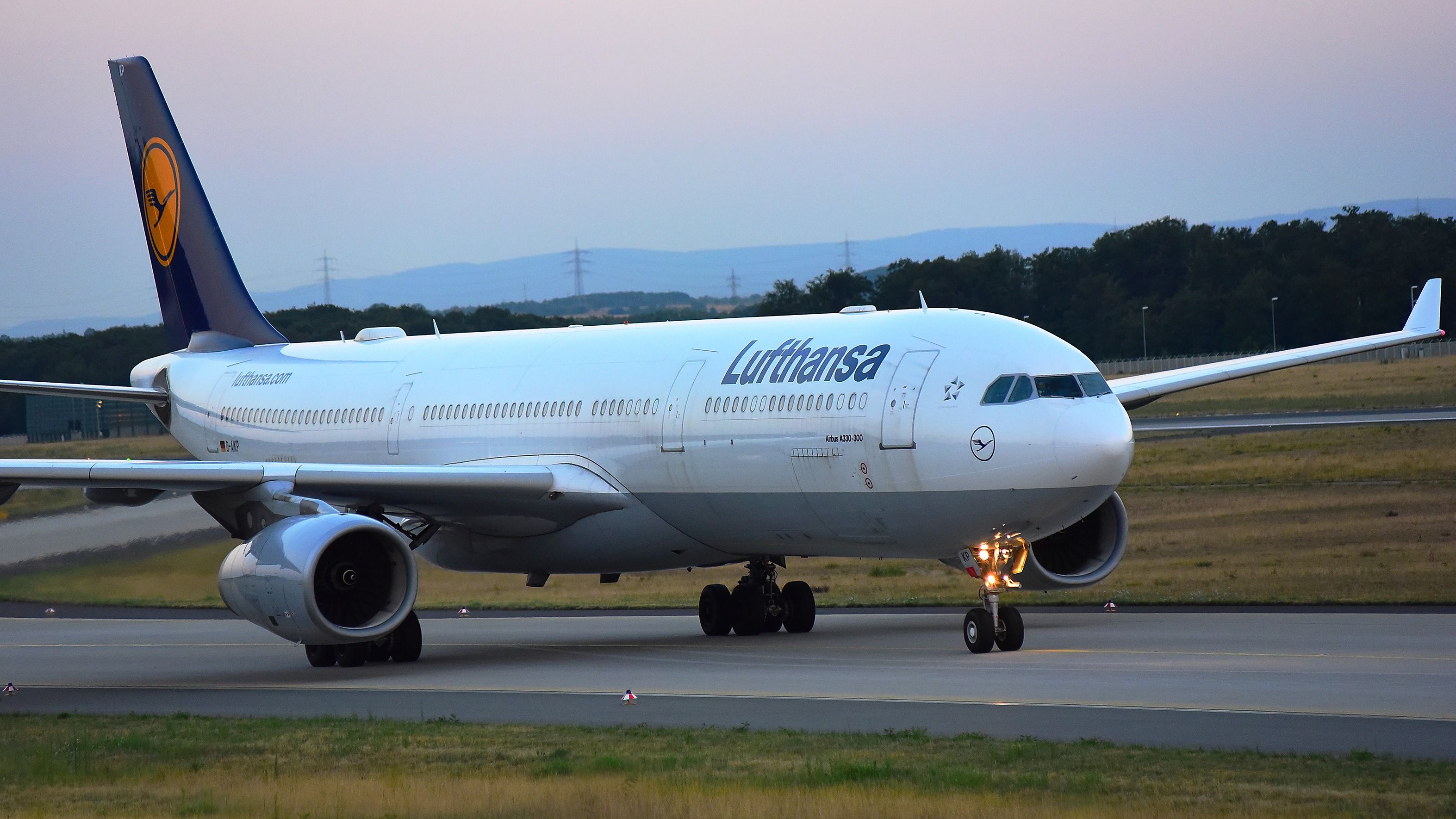
Lufthansa Technik is preparing to certify its shark skin riblet technology for older-generation Airbus A330ceo aircraft. The technology, known as AeroSHARK, will soon be applied to the Airbus A330, making it the first Airbus model to benefit from this fuel-saving riblet surface innovation.
In collaboration with aviation technology partner BASF Coatings, Lufthansa Technik plans to secure approval specifically for the Airbus A330-200 and A330-300 variants. Certification will be pursued through a Supplemental Type Certificate (STC), enabling series modifications to the fuselage and nacelles of both aircraft types. For the Airbus A330ceo, Lufthansa Technik expects the AeroSHARK certification process to conclude in 2026.
Certified On Boeing 777 Types

Lufthansa Technik’s riblet surface technology, designed to mimic the texture of shark skin, significantly reduces aerodynamic drag, particularly during cruise flight, making it ideal for long-haul widebody aircraft. It is worth noting that Lufthansa Technik already holds certifications for AeroSHARK retrofits on the Boeing 777-300ER, 777-200ER, and 777F.
With the Airbus A330 ranking as the second most-delivered widebody aircraft after the Boeing 777, and with a long remaining service life ahead, the type presents strong potential for AeroSHARK adoption. Commenting on the news, Andrew Muirhead, Vice President Original Equipment Innovation at Lufthansa Technik, said:
“The choice of the A330ceo as the next candidate for AeroSHARK certification is strategic, given the type’s widespread use and significant leverage on global fuel consumption and emissions. With about 1,000 A330-200 and -300 aircraft in service worldwide, the potential for operational cost savings and substantial environmental benefits is vast. With the certification for the A330ceo, it will soon be possible to extend these benefits to a wider number of aircraft and to further contribute to more sustainable aviation practices.”
Looking To Nature For Innovation Inspiration

Surprisingly, the inspiration for this technology comes not from flying creatures but from the underwater world, specifically, shark skin. Although shark skin looks smooth, it is actually covered in tiny grooves called dermal denticles. These help sharks swim faster and use less energy. By copying this texture, known as riblets, and applying it to an aircraft’s surface, airflow becomes smoother, reducing drag and helping the plane use less fuel.
It is worth noting that shark skin surface technology is not entirely new to aviation, having been tested on various other aircraft over the years. Lufthansa Technik and BASF Coatings have adapted this shark skin technology for daily airline operations, making AeroSHARK one of the very few certified solutions currently available for commercial aviation. Installed on the fuselage and engine nacelles, the system delivers roughly a 1% reduction in both fuel consumption and CO2 emissions, according to Lufthansa Technik.
So far, Lufthansa Technik’s AeroSHARK technology has been installed on 28 Boeing 777s operated by several airlines, as well as on a  Lufthansa Boeing 747 used as a testbed. The fleet continues to grow. By August 2025, AeroSHARK-equipped aircraft had logged more than 232,000 flight hours, saving over 13,000 metric tons of jet fuel and cutting CO2 emissions by more than 42,000 metric tons, as per the company’s data.
Delta Tests Shark Skin Riblets On Its Boeing 767s

Earlier this year, Delta Air Lines, in partnership with aviation technology company MicroTau, announced plans to trial shark-skin riblets on its Boeing 767 fleet. The airline is turning to nature for inspiration as it works to boost fuel efficiency across its aging 61 Boeing 767 widebody aircraft.
Delta Air Lines has been actively exploring aviation technologies through its innovation hub, the Sustainable Skies Lab. Delta reported that 90% of its annual carbon emissions come from jet fuel consumption.


- IATA Code
-
LH
- ICAO Code
-
DLH
- Year Founded
-
1953
MicroTau estimated that applying the riblets to the Boeing 767’s fuselage, tail, and wings could boost fuel efficiency by up to 4%. The Australian company has already demonstrated the technology on a US Air Force Lockheed Martin C-130J.
link