


Published on
September 3, 2025


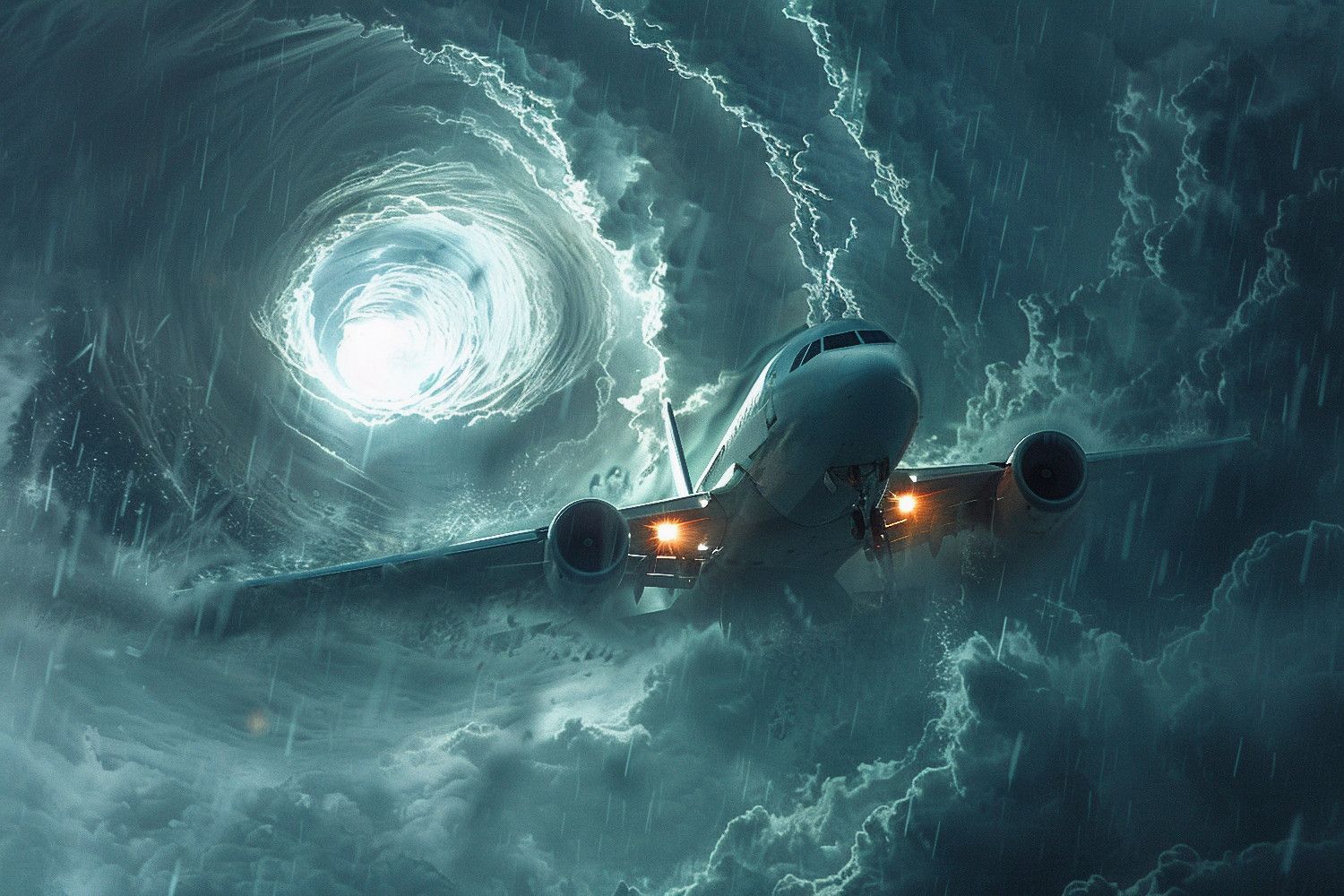
Clear-air turbulence (CAT) is no longer a rare occurrence in the skies but has become an alarming issue for aviation safety worldwide. Traditionally, turbulence was expected when flying through stormy or cloudy skies, but clear-air turbulence defies these expectations. This type of turbulence occurs in clear skies, often at altitudes of 30,000 feet or higher, and it is invisible to the naked eye and undetectable by conventional radar.
Recent studies and reports indicate that this phenomenon is becoming more frequent and intense, and a significant factor in this change is climate change. As global temperatures rise, atmospheric conditions have shifted, causing the jet stream—a fast-moving air current in the upper atmosphere—to become more unstable, contributing to more frequent and severe CAT events. This poses a substantial challenge not just to passengers but also to airlines and aircraft manufacturers.
In Europe, the United States, and Asia, where international flights are abundant, CAT incidents have been reported to cause significant discomfort and even injuries. However, it’s not just the discomfort that’s concerning—clear-air turbulence can lead to serious injuries or fatalities, especially for passengers who are not wearing seatbelts. According to data from the FAA, over 140 passengers and crew members have been injured due to turbulence in the U.S. alone between 2009 and 2021. This creates a pressing need for aviation technology advancements and improved safety measures to protect passengers from this invisible threat.
What is Clear-Air Turbulence?
- Invisible and Unpredictable: Unlike turbulence caused by storms, clear-air turbulence occurs in clear skies, making it nearly impossible to predict.
- Wind Shear: CAT primarily results from wind shear, which occurs when fast-moving air currents in the jet stream collide with slower-moving air.
- High Altitude: Typically, clear-air turbulence is most common at altitudes between 30,000 and 40,000 feet, where commercial airlines fly.
- No Warning: Since CAT cannot be detected by radar, pilots and passengers often have no warning until the turbulence occurs.
The Growing Threat: Why is Clear-Air Turbulence Increasing?
Over the past few decades, clear-air turbulence has been increasing in frequency and severity, with some studies indicating a rise of as much as 55% since 1979. This uptick in turbulence is largely attributed to climate change. The warming of the planet is having a direct impact on atmospheric conditions, particularly at higher altitudes.
Key Factors Contributing to the Rise of CAT:
- Jet Stream Changes: The jet stream, which is responsible for guiding many flights, has become more erratic due to temperature differences in the atmosphere.
- Wind Speed Variations: Rising temperatures are causing wind speed variations that lead to stronger wind shears, making clear-air turbulence more severe.
- Increased Flight Density: As global air travel increases, particularly over areas affected by turbulent weather patterns, more flights are encountering clear-air turbulence.
How Climate Change Alters the Jet Stream
The jet stream is a high-altitude, fast-moving air current that typically flows from west to east. However, the warming of the Earth’s surface is causing changes in wind patterns, which in turn affect the strength and behavior of the jet stream. Stronger and more variable jet streams contribute to more violent clear-air turbulence.
Understanding Jet Stream Dynamics:
- Temperature Differences: As temperatures increase, air masses at different altitudes become more unstable. This creates a greater difference in air pressure, leading to more intense turbulence.
- More Extreme Weather: Warmer air fuels stronger storms, which can indirectly affect the jet stream and cause erratic changes in wind speed.
Aviation Industry Response: New Technology for Turbulence Detection
As CAT continues to pose a threat, airlines and aviation engineers are developing new technologies to detect turbulence and improve safety. This is critical because traditional radar systems are incapable of detecting clear-air turbulence due to its invisible nature.
Emerging Technologies:
- LIDAR Systems: Light Detection and Ranging (LIDAR) technology is being tested by Boeing and other aerospace companies. This system uses laser pulses to detect turbulence in the atmosphere and can potentially provide up to 10 miles of warning.
- Doppler LIDAR: Another advanced tool, Doppler LIDAR, uses changes in the frequency of laser light to detect wind shear in real time.
- UV Rayleigh LIDAR: A more experimental approach involves using UV LIDAR to measure air density fluctuations, which are key indicators of turbulence.
These new technologies, once fully implemented, could offer pilots and flight crews better foresight into turbulence-prone areas, allowing for safer flight paths and smoother journeys.
How Airlines Are Adapting: New Safety Protocols
The aviation industry has long relied on pilot experience and weather forecasts to navigate turbulence. However, as clear-air turbulence becomes more frequent, airlines are incorporating new strategies to mitigate the risks:
- Pre-flight Briefings: Airlines are providing pilots with more detailed weather information, including turbulence forecasts, to anticipate and avoid turbulence-prone regions.
- Reinforced Aircraft Designs: Modern planes are built to withstand greater stress, with more flexible wings and improved autopilot systems that can better handle turbulence.
- Passenger Safety Measures: Passengers are reminded to keep their seatbelts fastened during the flight, even when the seatbelt sign is off, as a precaution against unexpected jolts caused by CAT.
The Human Factor: The Importance of Seatbelts and Passenger Awareness
While technology plays a key role in detecting and avoiding clear-air turbulence, the simplest and most effective precaution is still the most traditional: keeping your seatbelt fastened. Flight attendants and safety experts consistently remind passengers to stay seated with their seatbelt securely fastened, particularly during long periods of calm flying conditions when passengers might be more relaxed.
Why Seatbelt Safety Is Crucial:
- Injuries from Sudden Jumps: Even with advanced aircraft technology, passengers who are not wearing seatbelts are at risk of being thrown from their seats during unexpected turbulence.
- Inflight Safety: During severe turbulence, unsecured passengers can suffer injuries from falling or colliding with other passengers or objects in the cabin.
Climate Change, Safety, and Financial Impacts
The increasing frequency of clear-air turbulence is not just a matter of safety—it’s also a significant financial issue for airlines. Turbulence-related incidents lead to:
- Flight Delays and Diversions: Airlines may need to reroute flights or delay arrivals due to turbulence, leading to additional operational costs.
- Passenger Comfort and Experience: In addition to safety concerns, CAT negatively affects passenger comfort, potentially leading to complaints, cancellations, or lost business for airlines.
- Aircraft Wear and Tear: Consistent exposure to turbulence can lead to more frequent maintenance issues for airlines, resulting in higher operational costs.
Future Outlook: Preparing for the Next Era of Air Travel
The growing incidence of clear-air turbulence poses a dual challenge for the aviation industry. Climate change continues to alter the atmosphere, creating more unpredictable weather patterns, while technological solutions to predict and manage turbulence remain in development.
What’s Next for Passengers and Airlines:
- Improved Forecasting: In addition to LIDAR technology, real-time data collection systems such as TAMDAR are being integrated into flights to provide better insights into atmospheric conditions and potential turbulence zones.
- Enhanced Aircraft Designs: As the impact of climate change on the atmosphere continues to evolve, aircraft manufacturers are likely to incorporate even more robust designs that can withstand unpredictable conditions.
- Increased Awareness: Both passenger education and pilot training will be critical in navigating the challenges posed by clear-air turbulence.
Conclusion: Navigating the Skies Safely Amidst Changing Conditions
As clear-air turbulence becomes an increasing factor in global air travel, climate change is undoubtedly influencing the frequency and intensity of this phenomenon. The aviation industry is responding with new technology, improved safety protocols, and continued innovation. However, passengers can help mitigate their risks by simply keeping their seatbelts fastened, no matter how calm the sky may appear.
With ongoing advancements in turbulence detection and aircraft resilience, air travel will continue to evolve to meet the challenges posed by an ever-changing atmosphere.


link