Biotech leader advocates for research, science, technology plan
April 16, 2025
This paid piece is sponsored by South Dakota Biotech.
It’s a critical time in South Dakota and beyond to invest in supporting the biotech industry’s ability to grow.
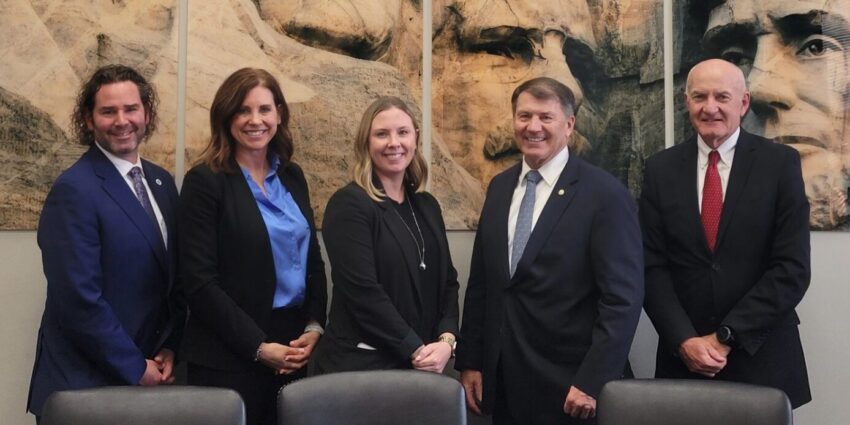
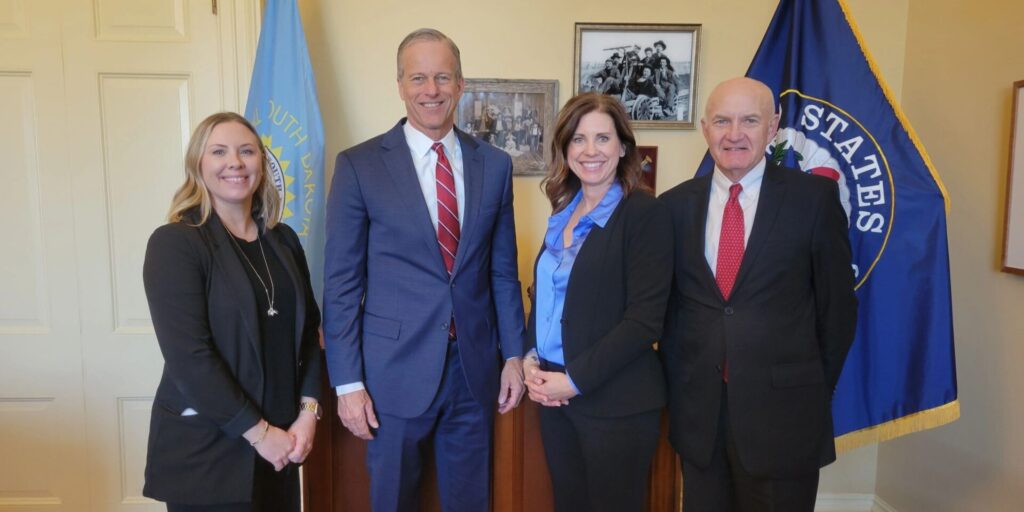
South Dakota Biotech executive director Joni Ekstrum recently led a delegation of representatives to Washington, D.C., to advocate for the industry amid many federal changes. Joining her were Katie Pohlson, vice president of innovations at Sanford Health; Mel Ustad, director of commercialization for the state of South Dakota; and Kent Hartwig, director of state government affairs for Gevo Inc.
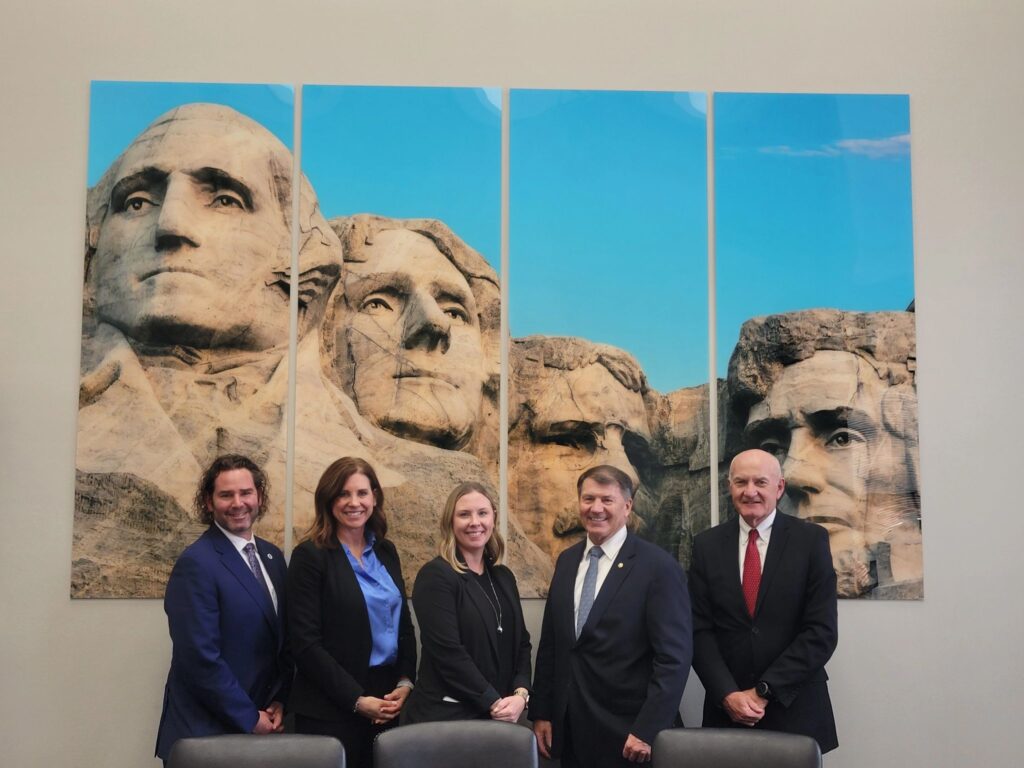
“We are hearing a lot of viewpoints in our industry, but cuts or proposed cuts are unnerving because funding is critical to advancing research,” Ekstrum said. “We’re in a position where organizations may have to reevaluate the research they’re doing, staff, equipment and other expenses, which will set our advancements back.”
We sat down with Ekstrum for a broader look at the biotech landscape.
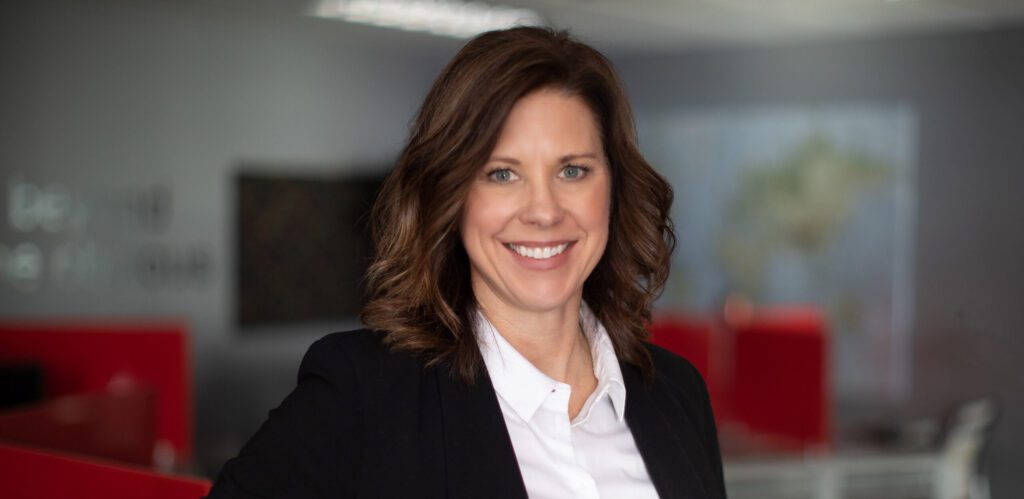
How would you describe your recent meetings in Washington, D.C., to advocate for the biotech industry?
They were very helpful. I feel like we have an open door with our congressional delegation to let them know if we see cuts impacting critical research. Sanford brought a lot of credibility to the things we’re advocating for as they have multiple research success stories that are going to depend on funding in order to continue advancing. The proposals we’re seeing involve how much overhead is eligible for funding, so part of that conversation is educating about why some of this overhead is just as critical to allowing research to occur.
Why is federal funding particularly important in South Dakota?
Our state doesn’t have the resources that biotech companies can access in places like Boston and San Diego, so federal funding is even more crucial. Equipment purchases and building costs are not funded the same way here that they might be in other states. In addition to telling this story to our congressional delegation, we’re in contact with federal agencies that are applicable to our industry. I plan to continue having those conversations with federal agencies to advocate for funding. In the meantime, organizations are being very cautious and evaluating internal practices and doing the best they can to create efficiencies.
How is the conversation around tariffs impacting the biotech industry?
The back and forth has been difficult. We have companies with fixed pricing on their products, and it’s been hard to determine what they will eat and what they will have to pass along to the consumer. Some are in a wait-and-see mode, but it will have an impact if they’re doing clinical trials or manufacturing in China or other countries that may be involved with tariffs. No one is closing the doors right now, but everyone is nervous. We want fair trade policies, but we also want to grow international relationships, and we know there’s opportunity to do that as we saw with our trade mission to Japan and Taiwan.
Beyond the national conversation, there are key issues at a state level. The USD Discovery District opened its first building recently. What kind of traction are you seeing or do you expect there?
OmegaQuant, which is one of our members, is going to be one of the first tenants there, so we’re excited to see that happen. We have other members having conversations with the Discovery District. I know their team is reaching out to the Minneapolis area and really across the region to market that we have this facility, that it’s open and can be built out according to needs, which is valuable. Often, early-stage companies need space on short notice, and now this building is ready to go. So I’m excited to see what else comes together and continue to build the momentum.
Going forward, how is the state trying to position itself to build the biotech industry for the future?
South Dakota EPSCoR, which stands for Established Program to Stimulate Competitive Research, is leading development of the South Dakota 2030 Science and Technology Plan. It’s just being wrapped up and will be used to apply for future grants. The mission of that plan is to invest in developing research and commercialization activity and the technical and business skills that will enable the next generation of South Dakotans and students educated in South Dakota to build their careers and to launch and expand science- and technology-driven companies in the state.
South Dakota ranks last in the nation for academic research and development expenditures and No. 47 in industry research expenditures, and that’s in part because our state does not regularly fund or incentivize research. We need to commit to not being last in the nation. South Dakota State University is working toward designation as an R1 research institution, which is positive because we are one of two states that lack one, and we need to build on things like that if we want to make biotech an economic driver in our state. It’s a great place to do business, but we need to offer the right commitments to encourage companies to grow here, which in turns makes our workforce grow.
While talent is key in advancing the biotech economy, we also have to focus on the full picture of creating an environment in terms of infrastructure and regulatory requirements that shows this industry we’re a welcoming place to do business. Access to developable land, energy, transportation and water can be critical factors in whether a biotech company sees South Dakota as the sort of place where it can not only be sustainable but also scale.
link